For the love of Sappho
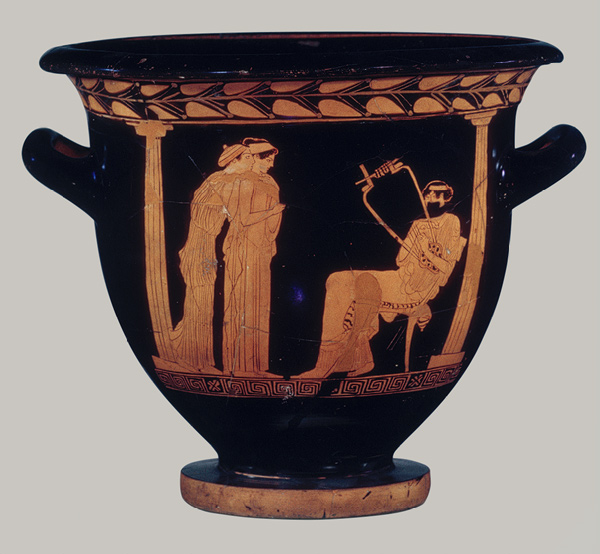
In antiquity Sappho's poetry was highly admired, and several ancient sources refer to her as the "tenth Muse". The earliest surviving poem to do so is a third-century BCE epigram by Dioscorides. She was sometimes also referred to as "The Poetess", just as Homer was "The Poet". The scholars of Alexandria included Sappho in the canon of nine lyric poets. According to Aelian, the Athenian lawmaker and poet Solon asked to be taught a song by Sappho "so that I may learn it and then die". This story may well be apocryphal, especially as Ammianus Marcellinus tells a similar story about Socrates and a song of Stesichorus, but it is indicative of how highly Sappho's poetry was considered in the ancient world. Sappho's poetry also influenced other ancient authors. In Greek, the Hellenistic poet Nossis was described by Marilyn B. Skinner as an imitator of Sappho, and Kathryn Gutzwiller argues that Nossis explicitly positioned herself as an inhe...
