Parthian metalwork from ancient Nahavand (Nihavend)
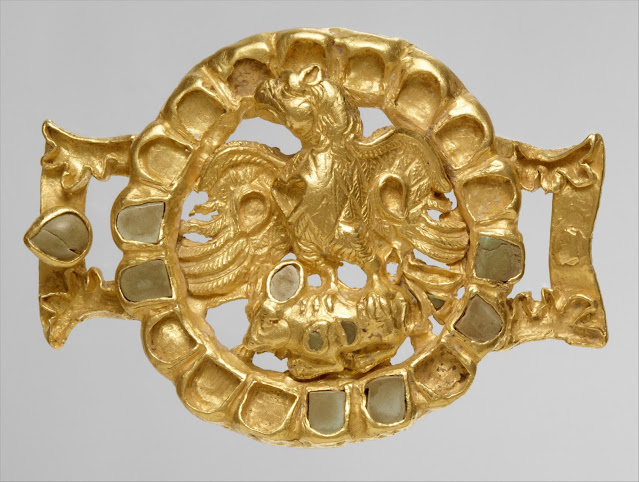
Nahavand, located on the fertile Nisaean plain in the southernmost part of ancient Media (modern day Iran), has been inhabited since at least 5,000 BCE. According to the ancient geographer and historian Strabo it was (re-)founded by Achaemenid King Xerxes the Great. Nahavand lay about 96 kilometers from Ecbatana on the trunk road from Babylonia through Media to Bactria. In the Seleucid period, it became a Greek polis with magistrates and a Seleucid governor. According to the polymath Abu Hanifa Dinawari, in the Parthian period, Nahavand was the seat of the Parthian prince Artabanus, who later reigned as Artabanus I of Parthia from 127 to 124/3 BCE. After Artabanus was killed in battle, he was succeeded by his son Mithridates II (known in antiquity as Mithridates The Great) who transformed the Parthian Empire into a superpower. Mithridates II was the first Parthian king to extend Parthian rule into Caucasus, where the kingdoms of Armenia, Iberia, and possibly Caucasian ...
