Autonomy differences between Carthaginian and Roman commanders
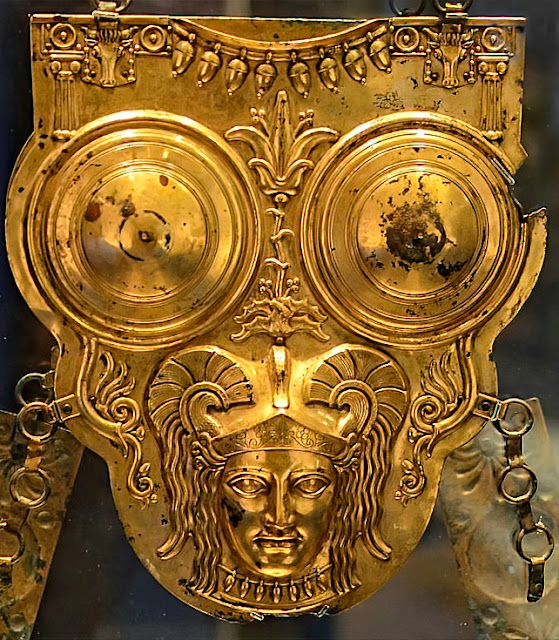
Competition among the elites of Rome in both the political and military spheres is well known. It was also used by one of Rome's most fiercesome opponents as well. In Carthage, command was sometimes shared between two or even three generals and sometimes commanders were expected to seek approval from the council of 104 and the two suffetes (roughly equivalent to Rome's consuls) for important decisions such as declaring a truce, to sue for peace, or withdraw from a conflict altogether. Furthermore, punishment of command officers was draconian (in every sense of that word!). It ranged from large fines to crucifixion of the offending general. Even the families of those committing suicide were not spared humiliation. Ancient sources record that the council crucified the corpse of one commander named Mago (out of the many men named Mago in the history of Carthage) in 344 BCE. Scholars think these severe punishments rather than simply a loss of command may ...
