Roman remains of ancient Carmo in the Archaeological Museum of Carmona, Spain
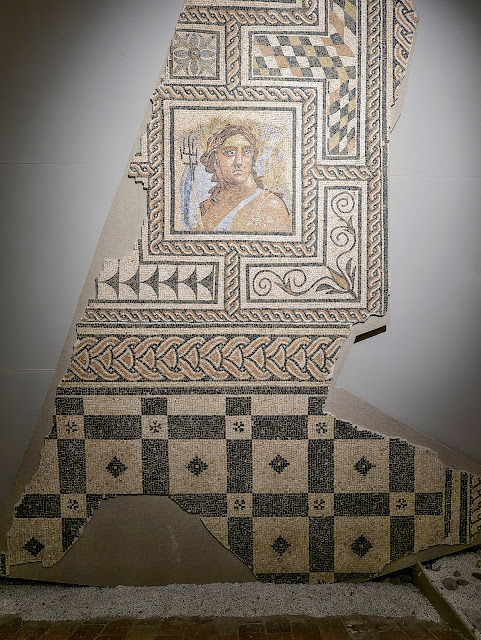
Roman remains of ancient Carmo in the Archaeological Museum of Carmona, Spain. Carmona was originally a Tartessian-Turdetani settlement. With the arrival of Phoenician traders from Tyre, Carmona was transformed into a city, and centuries later became a Roman stronghold of Hispania Baetica after the Iberian conquest led by then-consul Cato the Elder from 197 -194 BCE. It became known as Carmo in the time of Julius Caesar (100–44 BC). The Senatorial province of Baetica became so secure that no Roman legion was required to be permanently stationed there. Instead, Legio VII Gemina was permanently stationed to the north, in Hispania Tarraconensis. The vast olive plantations of Baetica shipped olive oil from the coastal ports by sea to supply Roman legions in Germania. Amphoras from Baetica have been found everywhere in the Western Roman empire. The city remained Roman until the invasion of the Vandals and Alans in the 5th century CE. Carmona's Seville Gate, of Carthaginian origins,...